

Case Clicker
Burger Clicker
Click To Continue 2

Clicker Heroes

Doggo Clicker

Coin Clicker

Muscle Clicker











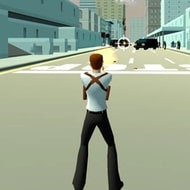





In Papers, Please you start each shift assigned to a single checkpoint with three stations to work between — the Passport Check desk, the Pat-Down search area, and an X-ray belt for carry-on bags — and no way to skip any of them without letting something dangerous walk straight through. Nobody hands you a script for which passenger is lying; you have to catch it yourself, one line of paperwork or one open suitcase at a time.
| Genre | Role-play checkpoint simulator |
| Platform | Browser, mobile |
| Controls | Mouse/tap |
| Stations | Passport Check, Pat-Down, X-ray belt, Interrogation Room |
The Passport Check desk is where most shifts either stay calm or start unraveling. Every document handed across the counter has to line up — name, photo, travel dates, stated reason for the trip — and the game is built around planting small, deliberate mismatches rather than obvious forgeries. A passenger claiming a business trip with a suitcase full of vacation gear, or a birthdate that doesn’t match the issue date on the passport, is the kind of detail Papers, Please expects you to notice on your own.
New players tend to wave people through on a gut feeling instead of actually cross-checking the document fields, which is the single fastest way to let a genuine problem case slide past the desk. Slowing down at this station, even when there’s a line building behind the current passenger, pays off far more than speeding through and hoping nothing was off.
Sending a passenger to the Pat-Down search or running their bag through the X-ray belt is where Papers, Please gets genuinely unpredictable. Most searches turn up nothing worth a second look — a banana, a rubber duckie, ordinary travel clutter. Then a search comes back with a hidden knife, a firearm, or a live bat rustling in someone’s jacket, and the calm, procedural rhythm of the shift breaks instantly.
Because harmless clutter and genuine contraband both show up constantly, the game rewards a security officer who stays curious about specifics rather than one who treats every flagged bag the same way.
Once evidence actually points at someone, Papers, Please moves them to the Interrogation Room, and this is where the tone shifts from procedural checkpoint work to a tense back-and-forth conversation. You confront the passenger with whatever the Passport Check desk or the search turned up, and their answers either hold together or start contradicting themselves under pressure.
The arrest option only becomes available once the evidence is genuinely solid, which keeps the interrogation from turning into a guessing game where any answer triggers a lockup. There’s no single correct script to follow here — different lines of questioning lead to different outcomes, and a passenger who seems shady at the desk can still have an innocent explanation once you actually press them on it.
Occasionally a cornered passenger escalates instead of folding, taking a hostage on the spot and forcing a shift from questioning to negotiation. Those moments ask for a completely different read than the rest of the shift — patience and de-escalation instead of pattern-matching paperwork.
Some players enjoy that Papers, Please never marks a shift as a clean win or a clean loss — every answer at the Interrogation Room branches into a new scenario rather than a scoreboard result, and that keeps replays feeling different each time. Other players find the lack of a hard fail state frustrating, especially after building up real tension around a decision that turns out not to matter as much as it felt like it would in the moment.
That tension between procedural busywork and sudden high-stakes moments is exactly what regulars bring up when they talk about why a session that starts as routine paperwork checking can end with a hostage standoff twenty minutes later.
Papers, Please earns its replay value from that unpredictability — a shift built entirely from a passport desk, a search area, and an interrogation room, and yet no two lines through those three stations ever quite play out the same way.
