

Case Clicker
Burger Clicker
Click To Continue 2
Clicker Heroes

Doggo Clicker

Coin Clicker

Muscle Clicker


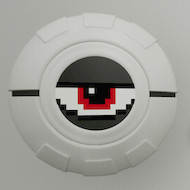













Right Click to Necromance looks like a throwaway browser toy about tapping a pile of bones, but it plays like a slow logistics puzzle about knowing when to stop clicking and start delegating. The premise: a pharaonic skeleton wants to come back from the dead, and bones are the only resource standing between it and a fully reassembled body.
| Genre | Idle clicker / incremental |
| Platform | Browser, desktop and touchscreen |
| Controls | Mouse click or screen tap |
| Core currency | Bones |
| Maximum hired assistants | 12 |
Bones are the only number that matters, and almost everything else exists to make that number climb faster. Clicking the pile directly generates the first currency, before there is anything else to spend it on. That manual phase is short, since early assistants are cheap enough that a modest bone total buys the first passive income within a few minutes.
Once income arrives on its own, clicking becomes short bursts covering the gap before the next purchase, not raw production. A player who clicks nonstop and never checks prices falls behind one who buys the moment they can afford it.
Bones keep piling up while nobody touches the screen, since hired help keeps collecting in the background. That offline behavior is why the game gets recommended in clicker communities hunting for real idle progress.
The passive side of the economy runs through three recurring helper types, each adding its own rate of bones per second once hired. Each extra copy costs more than the last, which catches new players off guard the first time a price jumps sharply.
Mummies are the most forgiving buy, since the payoff shows within a couple of minutes. Scarabs and sphinxes demand a bigger investment, which is where the game’s own advice to click smart matters.
New players often overspend on mummies simply because they came first, then sit short of bones right when a scarab finally becomes worth buying. The roster caps at 12 hired helpers, a ceiling that shifts the late game into optimization.
The goal is not just accumulating bones, it is spending them to reassemble an ancient pharaoh statue, piece by piece, as bone totals cross set thresholds.
Early on a player sees maybe a single fragment appear, barely enough to notice. By the time the assistant roster is half full, whole limbs and sections lock into place, and that visible progress keeps a session going more than the bone counter alone.
Watching the statue fill in doubles as a soft progress bar, a detail that only clicks once a player has sat with the game long enough to see a limb lock into place. Idle-game regulars call the underlying habit chasing bones per second instead of chasing clicks.
Unlike incremental games that eventually ask a player to wipe progress for a permanent multiplier, the design here has no documented prestige or reset system. Progress moves one direction only, from an empty bone counter toward a completed statue.
That choice keeps the game approachable for a single, self-contained session rather than a long-term commitment. It also means once all 12 slots are taken and the statue is nearly done, the remaining stretch can feel like waiting rather than playing.
That flattening is the aspect regular clicker fans bring up most comparing this game to others in the genre. Completion is the destination rather than a checkpoint, worth knowing so nobody keeps clicking past the finish line expecting a new tier.
Up to 12 assistants total, split across the mummy, scarab, and sphinx types, can be hired at once. Extra copies cost more bones each time, so players fill cheaper slots first.
The goal is collecting enough bones to reassemble the ancient pharaoh statue from its pieces, not just watching a counter climb. Bone totals unlock statue fragments in stages.
No prestige or reset mechanic is documented for the game. Progress runs one direction, from the first click to a fully assembled statue, with no bonus loop afterward.
Right Click to Necromance earns its place among browser clicker games because the sphinx-and-mummy assistant math matters more than the tapping ever does. A player who slows down to plan purchases finishes with the pharaoh statue whole well before one who never stops clicking.
