

Case Clicker
Burger Clicker
Click To Continue 2
Clicker Heroes

Doggo Clicker

Coin Clicker

Muscle Clicker


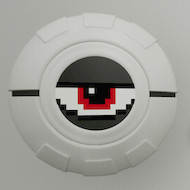














In Thumb Fighter you start locked thumb-to-thumb with your opponent, one button standing between you and victory, which matters more than the goofy character skins might suggest at first glance.
| Genre | One-button local multiplayer fighting game |
| Platform | Browser, desktop and mobile |
| Modes | Player vs Player and Player vs CPU |
| Core Mechanic | Timed attack and dodge with a single input |
Thumb Fighter strips fighting-game mechanics down to a single input per thumb: press to attack, release to dodge. That’s the entire control scheme, and it’s exactly why the game works as well in a two-minute break as it does in a longer session against friends. Player 1 uses the A key, Player 2 uses L, and both thumbs sit on screen locked together the way real thumb wrestling starts.
The simplicity is deceptive, though. Because both players have access to the exact same tool, matches come down entirely to reading your opponent’s rhythm — waiting for the split-second where they’re mid-attack and vulnerable, then striking before they can recover into a dodge. Mashing the button constantly is a common newcomer habit that experienced players punish easily, since a predictable attack pattern is trivial to time around.
Characters like Blinky, Bobbie, Red Bro, and BatThumb each bring their own visual flair to the arena, but the underlying game logic treats every thumb identically — the personality is cosmetic, the timing is universal.
Every attack in Thumb Fighter has a brief recovery moment where the thumb that just struck is open to a counter. Spotting that window consistently is really the entire skill ceiling of the game. Players who succeed at higher levels describe it less as reacting and more as baiting — throwing a slightly early or late attack specifically to draw an opponent’s dodge timing out of position, then punishing the gap that follows.
This is where the “playing possum” style familiar from real-world thumb wrestling shows up in the digital version too: holding back, letting your opponent commit first, and only striking once their thumb is mid-motion and unable to pull back in time. Aggressive players who attack constantly tend to lose to patient opponents once matches go a few rounds deep.
Matches in Thumb Fighter typically run as a race to two wins, which keeps individual sessions short but leaves room for a real back-and-forth. Losing the first round to an overly aggressive opening isn’t fatal — it’s common for the losing side to adjust their timing and take the next two rounds once they’ve seen their opponent’s pattern once.
This short-format structure is part of why Thumb Fighter works so well as a party or icebreaker game. A single match rarely runs long enough to feel like a commitment, but the timing-based skill ceiling means repeat matches against the same friend keep evolving rather than feeling identical each time.
Button mashing: spamming the attack input without any regard for timing, which works occasionally against another beginner but falls apart immediately against anyone reading recovery windows.
Beyond mashing, the second most common issue is dodging too early out of anxiety rather than reacting to an actual incoming attack. Since the dodge is simply releasing the button, holding it down out of caution removes your own ability to attack, effectively surrendering the initiative for the rest of that exchange.
Some players in the community find the single-button format limiting compared to more traditional fighting games, and that’s a fair criticism — Thumb Fighter isn’t trying to offer combo depth. What it offers instead is pure timing and psychology distilled into the smallest possible control scheme, and whether that trade-off feels satisfying or shallow tends to depend entirely on what a given player wants from a fighting game.
Thumb Fighter takes one of the oldest playground games around and proves that a single button, timed well against a character like BatThumb or Red Bro, still holds up as a genuinely competitive format. The moment you stop mashing and start waiting for that vulnerable opening is usually the moment your win rate actually starts to climb.
