

Case Clicker
Burger Clicker
Click To Continue 2

Clicker Heroes

Doggo Clicker

Coin Clicker

Muscle Clicker











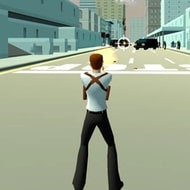






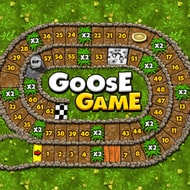
Goose Game centers on playful disruption, task-based exploration, and environmental interaction. Instead of following a strict path, players are encouraged to explore spaces freely while completing objectives through observation and experimentation. Goose Game relies on curiosity and timing, turning simple actions into layered challenges that reward creative problem solving.
Each section in Goose Game presents a list of goals tied to a specific environment. These objectives are rarely straightforward and often require indirect solutions. Players must interact with objects, characters, and layout elements to trigger reactions that lead to progress.
The game rarely explains solutions directly, making experimentation a core mechanic. Observing how characters respond to movement or sound often reveals the intended path forward.
Movement and interaction in Goose Game are intentionally simple, yet timing plays a major role. Small actions can create large reactions if performed at the right moment. This design allows players to manipulate situations without complex controls.
The game often rewards patience, as waiting for characters to move into position can simplify objectives.
While Goose Game does not include traditional shortcuts, understanding behavior patterns can significantly reduce trial and error. Learning how characters react to noise or object placement opens alternative approaches.
Players often ask whether Goose Game punishes failure. In most cases, mistakes simply reset the situation without penalties. Another frequent question involves solution flexibility, as many tasks can be completed in more than one way.
Goose Game remains engaging by allowing freedom within structured environments, encouraging experimentation while maintaining clear goals.
