
Case Clicker
Burger Clicker
Click To Continue 2
Clicker Heroes

Doggo Clicker

Coin Clicker

Muscle Clicker











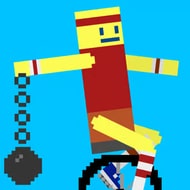







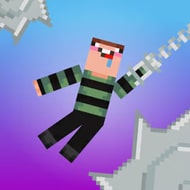
Noob Hook is built around grappling-based movement, timing control, and spatial awareness. The primary mechanic involves swinging between anchor points to reach the end of each stage. Noob Hook challenges players to manage momentum and direction while avoiding hazards that punish careless movement.
The core of Noob Hook lies in understanding how momentum carries movement. Attaching the hook at different angles produces varied swing paths, requiring players to adjust timing constantly. Releasing too early or too late often results in failure.
The game rewards smooth, continuous motion rather than abrupt changes.
As Noob Hook progresses, levels introduce spikes, narrow gaps, and moving obstacles. These elements force players to commit to precise swings rather than wide arcs.
Learning hazard placement helps reduce unnecessary retries.
Noob Hook allows subtle adjustments mid-swing that can correct mistakes. Small directional inputs often make the difference between success and failure.
Players often ask whether Noob Hook requires fast reflexes. While timing matters, understanding swing physics is more important. Another common question involves consistency, which improves significantly with practice.
Noob Hook remains engaging by turning simple grappling mechanics into increasingly thoughtful movement challenges.
